
Tiptoe through the gardens

Tiptoe through the gardens

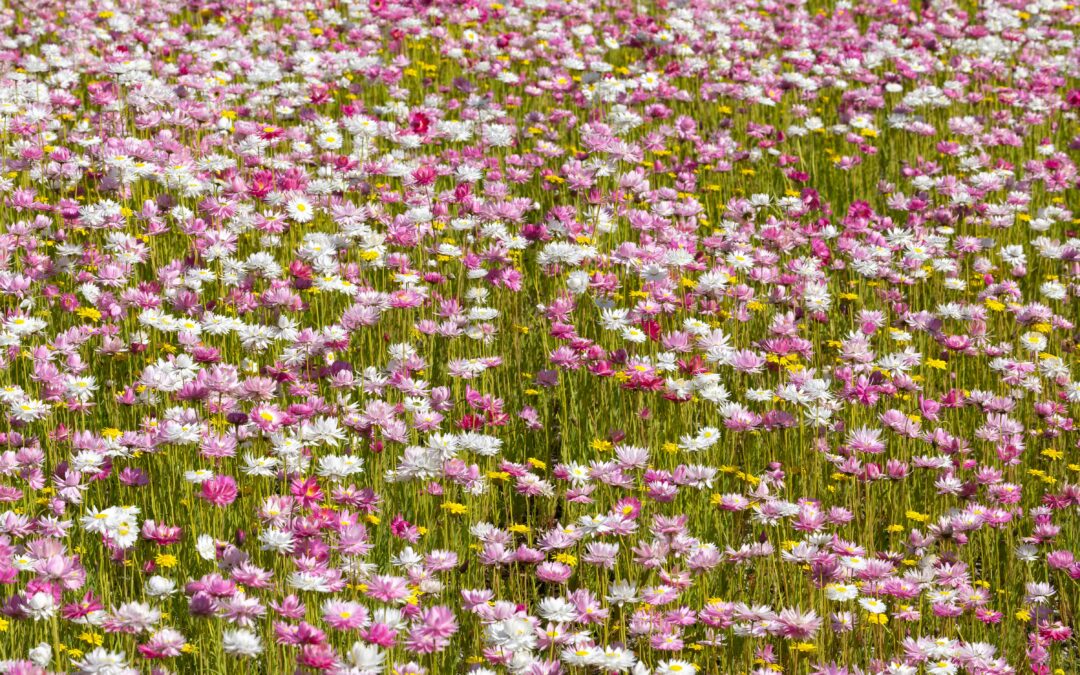
Where I live, there is something always in bloom. Often when I’m out walking in my neighborhood or hiking, I’m reminded of nearby gardens or those I have had the joy of experiencing in my travels. On one such walk I thought about how garden visits could make a beautiful travel theme.

From our local gems like the Huntington Library’s stunning grounds to memories of strolling through London’s Hyde Park, gardens tell stories that transcend borders. They’re windows into human creativity, cultural values, and our eternal romance with nature.

Take the mythical Hanging Gardens of Babylon—probably never existed, but what a concept! Nebuchadnezzar II allegedly built cascading terraces of exotic plants to cure his wife’s homesickness. Even legends can inspire wanderlust.

The Dutch certainly went wild for gardens. Remember “Tulip Mania”? In 17th-century Netherlands, tulip bulbs cost more than houses! Though that bubble burst spectacularly, the passion survived. Today’s Keukenhof Gardens showcases that obsession beautifully—millions of tulips creating spring’s most Instagram-worthy explosion.

Spain’s Generalife Gardens whisper different stories through flowing water and terraced courtyards, offering spiritual refuge that still soothes visitors centuries later. Meanwhile, London’s Kew Gardens chose science over serenity, becoming a botanical powerhouse that literally shaped industries worldwide.

For something completely different, Scotland’s Garden of Cosmic Speculation throws tradition out the window with mathematical spirals and physics-inspired sculptures—proof that gardens can be as quirky as their creators.

Canada’s Butchart Gardens tells perhaps the most inspiring tale: Jennie Butchart transformed a scarred limestone quarry into botanical paradise, proving nature’s incredible resilience when paired with human determination.

And in Kyoto’s Ryoanji, fifteen carefully placed stones create a meditation on imperfection—one stone always hidden from view, reminding us that mystery enhances beauty.

Each garden reflects its creator’s soul, culture, and dreams. No two are alike—and that’s exactly why they’re worth chasing around the globe.



The improbable story of OK

The improbable story of OK

It can be said with a check mark or a thumbs up. It’s written with two letters or four. What began as a joke nearly 200 years ago, OK has become the most recognized word in the world.

Okay, let’s start with the humble beginnings in the 1830’s when young Boston intellectual types delighted those in the know with butchered coded messages such as KC for “Knuff Ced,” KY meant “Know Yuse” and OW was short for “Oll Wright.” What stuck through the years is OK for “Oll Korrect.” Try getting past spell check with this paragraph!

The word OK could have disappeared into oblivion if it weren’t for the 1840 presidential election when Martin Van Buren was given the nickname of “Old Kinderhook” because of his hometown of Kinderhook, NY. Guess it’s okay to say that OK was the predecessor of today’s LOL and other popular abbreviations since it’s short for everything’s all right, fine, hunky-dory and satisfactory. Linguists say it has become essential to our communication.

As for which version of OK or okay is correct, multiple sources confirm they both get a thumbs up. Although some suggest that more formal writing calls for using okay, it really is OK to use either spelling. Glad we got this sorted out, as in KC or “Knuff Ced.”

 VIDEO: WHY WE SAY OK

Originally published by Pazanga Health Communications 


A well-known October treat

A well-known October treat


Need I even mention the name of this month’s major holiday? Not hardly when 70% of Americans are expected to spend an estimated $12 billion this year on Halloween costumes, decorations and candy—big business for the U.S. economy. Yet this spooky-fun event had its beginnings 2,000 years ago when the Celtic New Year was celebrated at summer’s end with bonfires and people wore costumes to ward off evil spirits.

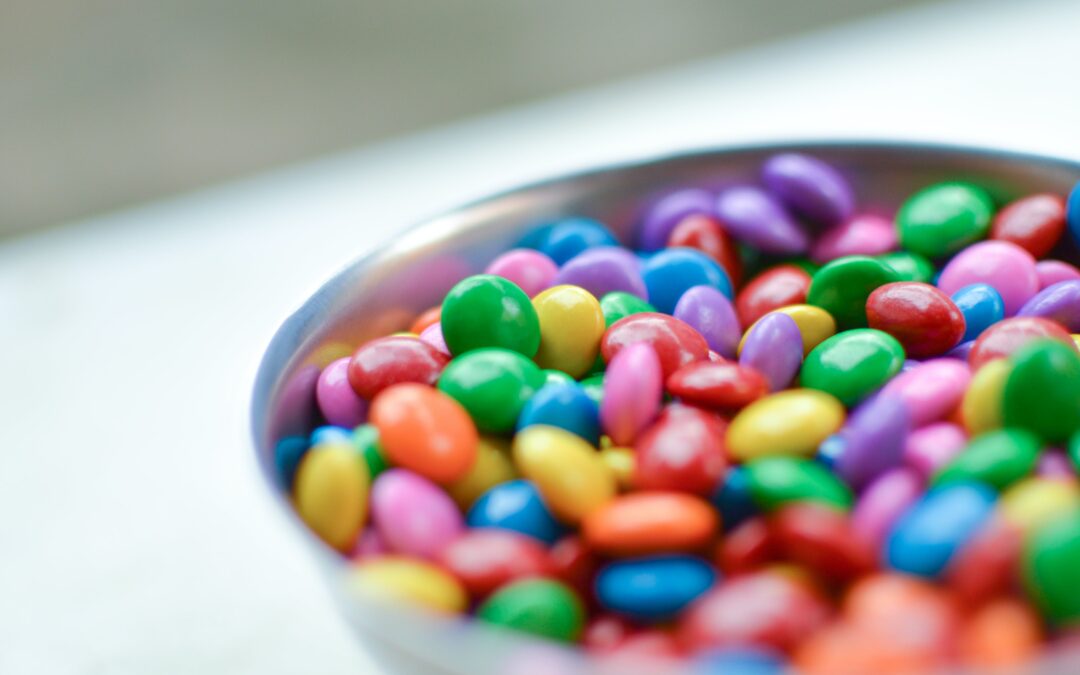
M&M’s are one of the most popular candy treats given out for Halloween. The sugar-coated goodies even have their own special recognition—October 13 is National M&M Day. Introduced in 1941, M&M’s are currently sold in over 100 countries worldwide. The original colors were red, brown and yellow with the logo lettering in black that was changed to white in 1954.

Over the years, colors have come and gone and returned again by popular demand such as orange, which debuted in 1997, was discontinued in 2006 and returned in 2010. A special blue M&M was introduced to promote “The Blues Brothers” in 1979 and was only available for a short time. Considered to be a rare M&M, one recently sold at auction for $600. Today there are a total of 25 colors and 61 different flavors that range from the original “plain” chocolate, peanut, caramel and mint to flavors commemorating many holidays and tastes such as Mexican Jalapeño Peanut M&M’s.

Some of the M&M colors have been animated and outfitted. Red is portrayed as the life of the party, always up for a fun time. Wonder if that is why red M&M’s are the most popular color. Yellow is considered the happy one who smiles and laughs. Typical of blue, this color’s character is calm and collected. And green is the fiercely independent one, the one that likes the outdoors. If you’re in a quandary about a costume for Halloween this year, consider being one of the M&M’s.

M&M’s offer plenty of trivia for those so inclined—they’re the most popular chocolate candy in NASA’s space program, became the official chocolate of NASCAR in 2006 and Google employees have unlimited access to M&M’s. The famous slogan, “The milk chocolate that melts in your mouth, not in your hand” and the M&M’s brand characters were trademarked in 1954. The voice of Ms. Brown is Vanessa Williams and the character first appeared at the Super Bowl in 2012. It’s reported that more than 400 million M&M’s are produced each day which means there should be plenty of colors and flavors for the trick or treaters to enjoy this Halloween.

Published by Orange County Register, October 12, 2023