Age is just a number

Age is just a number

It was September 2012 when I watched Hedda Bolgar, PhD, a tiny 103-year-old woman take the stage and completely captivate an audience. Bolgar, who passed away the following year, was extraordinary – quick-witted, articulate and optimistic. What made her special wasn’t just her sharp mind, but how personable she was. I felt like I had known her much longer than our 90 minutes together. I loved her spunk when she told us she still drove her red Prius to work four days a week as a psychologist and to teach students on Fridays because she couldn’t imagine doing anything else.

It’s not every day that we are given the opportunity to receive life-changing wisdom from a centenarian and Bolgar wasted no time getting into it. She attributed her life’s success back to her parents – her mother taught her the power of empathy, while her father showed her how to tackle problems head-on. These weren’t just childhood lessons; they became the foundation of her remarkable career. 

When someone asked about her secret to staying engaged as a psychoanalyst for so many decades, her answer was simple: “I never got bored.” She said she learned to be fully present with every client, and that mindfulness spilled over into every corner of her life. But perhaps the most striking was how she reframed aging itself. While most people see getting older as loss, Bolgar saw it as gaining gifts. Her advice? Stop focusing on what’s declining and start recognizing what you’re gaining. And when you do need help, don’t be too proud to ask. She also shared the importance of cultivating friendships across all age groups to ensure having others to lean on. 

She intimately knew loss. After her husband died, she gave herself time to grieve. Then she did something unexpected – instead of revisiting the tropical vacations they’d shared, she went to the North Pole. She also channeled her energy into creating two thriving business ventures – a clinic and a teaching institute. Grief became a launching pad for new adventures.

Her thoughts on security, fear, and happiness were the best. From her perspective, security isn’t how much money is in the bank, it’s the relationships and community we build around ourselves. For her, fear served no purpose, and like any bad habit said it can be unlearned. It was her answer when asked about the best time in her life that was pure gold: “NOW, because each day liberates the next one even more.” That’s why every September I think about Hedda Bolgar and her 103 years of wisdom.

Originally published, Orange County Register, September 11, 2025


The Simple Pleasures of Soup

The Simple Pleasures of Soup

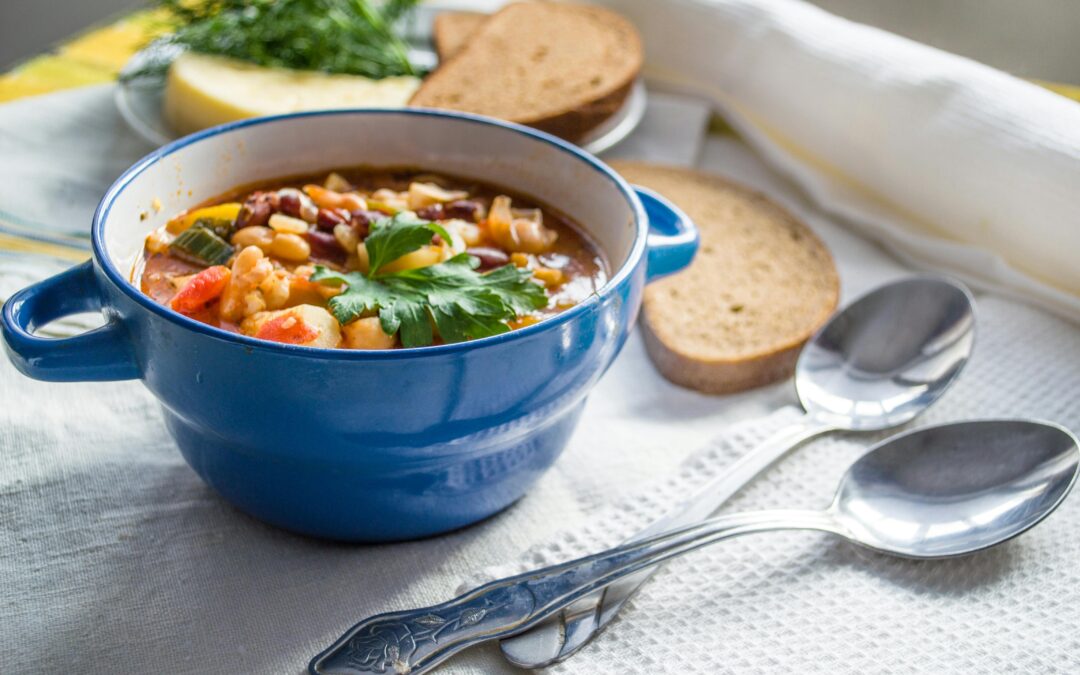
Soup is a one-pot wonder, the ultimate comfort food that soothes both body and soul. Now that we’re out of summer and our days are shorter and chillier, it’s time to get out the crock pot and put together a tried-and-true favorite or attempt something new. Since anthropologists tell us soup-making dates back at least 20,000 years, there are countless recipes to choose from like

Asian and French cuisines that offer clear, simple soups like miso, egg drop, or classic consommé. These minimalist soups may look simple, but I’ve learned that a well-made broth requires real patience and technique—stripping ingredients down to their essence while coaxing out maximum flavor.

Europeans take a different route with their pureed soups, transforming farm vegetables into smooth, refined dishes. Butternut squash, potato leek, cauliflower—these soups can turn humble ingredients into something elegant. The Irish have yet another approach, creating chunky stews and chowders that pack everything into one pot: protein, vegetables, and starches. Historically, these hearty soups kept working people going through brutal winters, and they still deliver that stick-to-your-ribs satisfaction we crave on a cold day.

Noodle soups such as pho, ramen, and chicken noodle are considered the most comforting of all, and scientists have actually studied why they make us feel so good. Turns out the combination of hot liquid, salt, and easily digestible carbohydrates triggers multiple comfort responses in our bodies. Nutritionists say adding protein and vegetables makes it a complete meal in a bowl. No wonder chicken noodle soup has been a popular favorite.

The cultural geography of soup tells its own story. Cold-climate countries developed thick, calorie-dense versions—Scandinavian pea soup, Russian borscht, Canadian split pea. Mediterranean regions created lighter options like Italian stracciatella or Spanish gazpacho. Each culture’s soup tradition evolved from ingredients that were available and what the climate demanded, yet everyone arrived at the same conclusion: combining ingredients in hot liquid creates something greater than the individual ingredients alone.

Of course, November brings the ultimate soup opportunity—Thanksgiving leftovers. A turkey carcass becomes the foundation for rich stock. Add leftover vegetables, stuffing, even mashed potatoes, and you’ve got soup that spans multiple categories at once. And the beauty of turkey soup is that no two batches ever taste the same—each family’s leftovers tell their own story of what was on the table.

Whether you’re making it from scratch, heating up a favorite from the store, or ordering delivery, soup remains one of November’s simple pleasures. From cultural and geographical traditions plus family favorites, your soup options are endless.

Originally published by Orange County Register, November 13, 2025


Just one memory can unlock that story inside you

Just one memory can unlock that story inside you

Not every story starts with “Once upon a time.” Some begin with a chuckle, a sigh, or a simple, “Back when I was your age…” Stories can be shared around the kitchen table, during a phone call, or while waiting for an appointment. These aren’t rehearsed or polished—they’re real. And they carry weight because they come from a life that’s been fully lived.

But many of those stories never get passed on. Maybe no one asked. Maybe it didn’t seem important at the time. But in truth, they are important. These are the stories that carry lessons, laughter, and legacy. They remind others where they came from—and just how much someone has seen and survived.

The best part? A person doesn’t need to have climbed Mount Everest or won medals to have a story worth telling. Often, it’s the small things that leave the biggest impression—how someone handled tough times, who made their heart skip a beat, what that first paycheck bought, or what life taught them when no one else was watching. These are the stories that stay with us. They can teach, comfort us, and sometimes even change a listener’s point of view.

Grandchildren often absorb more than they’re given credit for. They may not always say it, but hearing a grandparent’s voice—or reading something in their handwriting—can become a treasured keepsake. And it’s not just family. Teachers, librarians, and historians are recognizing the value of firsthand stories—the everyday details that offer a richer understanding of what life once looked like.

Storytelling isn’t just a gift to others. It can be a gift to the storyteller as well. Sharing a life story can lift the spirit, sharpen memory, and reveal just how much that life has meant. Looking back often helps connect the dots and highlights what truly mattered most.

Where to begin? Start small. One memory. One moment. One question. What did your childhood home look like? Who taught you to drive? What made you laugh until you cried? Whatever the story, it can be told in many ways. It can be written down, recorded, or shared in conversation with a friend or grandchild. AI tools can help shape it into a book or journal. Even a stack of old photos with captions can speak volumes.

What matters most is getting started. Because once these stories are gone, they’re gone for good. If you have ever thought, “Someday I should write that down”—maybe this is the sign your sign. What’s your story? It’s time to tell it.

Originally published by Orange County Register, July 10, 2025


Board games anything but boring

Board games anything but boring

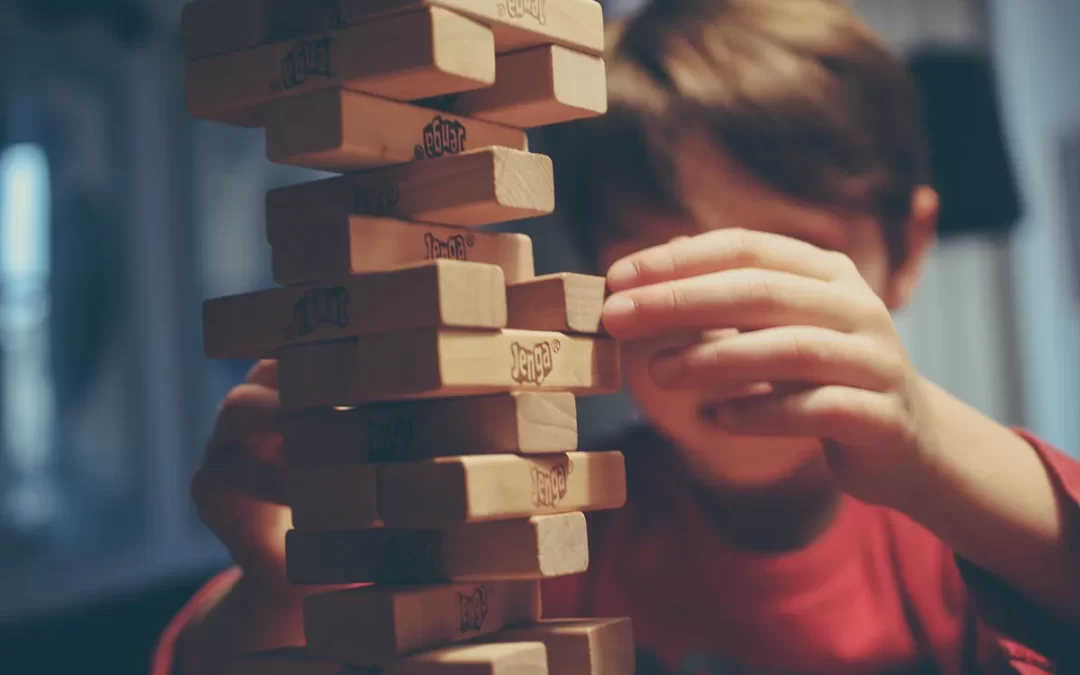
Board games are great for get togethers with family and friends, especially here in our community. My favorite is Jenga although it isn’t exactly played on a board. I love how the tower constructed with 54 blocks captures everyone’s attention when a player carefully tries to  take out a block without it toppling over. The more blocks that are removed, the shakier the tower gets. As a result, games don’t take that long unless you’re playing with eight-foot solid pine blocks weighing 600 pounds each, and move them with Caterpillar construction vehicles. In 2015, that game lasted 28 hours until the fourteenth round. Bet that was quite a sight to see.

My fondest board game memories are from my youth when I could spend hours playing Monopoly. I loved setting up the board, being the banker, counting out the money and occasionally winning! It never crossed my mind that the game was used to help British prisoners escape the Nazis during World War II or that the chances of winning a game in 20 seconds are one in 254 trillion. Can’t even fathom that in 1988 a San Francisco jeweler would make a Monopoly set decked out to the tune of $2 million. We’re talking a board made of gold, diamond-encrusted dice, and hotels and houses embellished with rubies and sapphires. 

Cousins taught me how to play Yahtzee, the dice game invented by a wealthy Canadian couple who introduced it to their friends while aboard their yacht. When the rights to the game were sold to a toy maker, the so-called “yacht game” became Yahtzee, a much catchier name. Bunco is a similar dice game played in pairs with players rolling the dice, keeping score and moving from table to table. My sister and I taught this game to 150 relatives attending our family reunion, and they’re still talking about how much fun it was to play the fast-moving game.

Scrabble rounds out my board-game favorites. Even though I’m a devoted word person today, initially I never took the game seriously. That is until I met an 87-year-old lady who was a fierce competitor. She loved winning, and whooped and hollered when she did, which was often when we first started playing. But I watched and learned how she scored the big points, and yes, I whooped and hollered big time when I won. What great times we shared.

When I started writing this column, I had no idea it would bring back such fond memories. Think it’s time to create new ones. Anyone for some scrabble?   

Published by Orange County Register, August 11, 2022