Tiptoe through the gardens

Tiptoe through the gardens

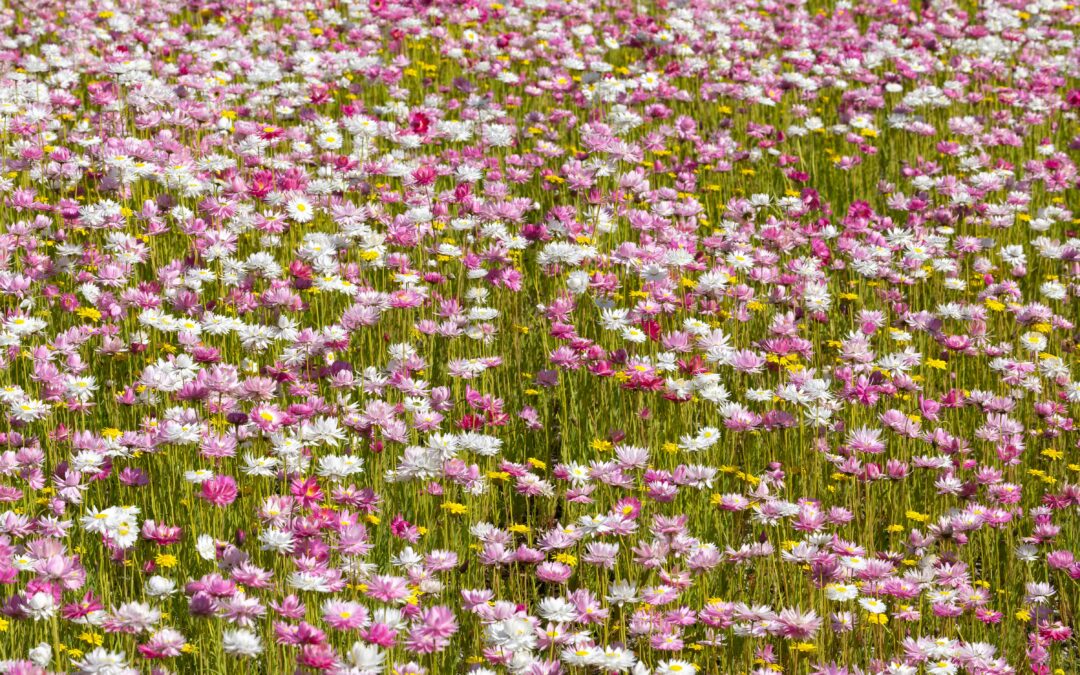
Where I live, there is something always in bloom. Often when I’m out walking in my neighborhood or hiking, I’m reminded of nearby gardens or those I have had the joy of experiencing in my travels. On one such walk I thought about how garden visits could make a beautiful travel theme.

From our local gems like the Huntington Library’s stunning grounds to memories of strolling through London’s Hyde Park, gardens tell stories that transcend borders. They’re windows into human creativity, cultural values, and our eternal romance with nature.

Take the mythical Hanging Gardens of Babylon—probably never existed, but what a concept! Nebuchadnezzar II allegedly built cascading terraces of exotic plants to cure his wife’s homesickness. Even legends can inspire wanderlust.

The Dutch certainly went wild for gardens. Remember “Tulip Mania”? In 17th-century Netherlands, tulip bulbs cost more than houses! Though that bubble burst spectacularly, the passion survived. Today’s Keukenhof Gardens showcases that obsession beautifully—millions of tulips creating spring’s most Instagram-worthy explosion.

Spain’s Generalife Gardens whisper different stories through flowing water and terraced courtyards, offering spiritual refuge that still soothes visitors centuries later. Meanwhile, London’s Kew Gardens chose science over serenity, becoming a botanical powerhouse that literally shaped industries worldwide.

For something completely different, Scotland’s Garden of Cosmic Speculation throws tradition out the window with mathematical spirals and physics-inspired sculptures—proof that gardens can be as quirky as their creators.

Canada’s Butchart Gardens tells perhaps the most inspiring tale: Jennie Butchart transformed a scarred limestone quarry into botanical paradise, proving nature’s incredible resilience when paired with human determination.

And in Kyoto’s Ryoanji, fifteen carefully placed stones create a meditation on imperfection—one stone always hidden from view, reminding us that mystery enhances beauty.

Each garden reflects its creator’s soul, culture, and dreams. No two are alike—and that’s exactly why they’re worth chasing around the globe.



Just one memory can unlock that story inside you

Just one memory can unlock that story inside you

Not every story starts with “Once upon a time.” Some begin with a chuckle, a sigh, or a simple, “Back when I was your age…” Stories can be shared around the kitchen table, during a phone call, or while waiting for an appointment. These aren’t rehearsed or polished—they’re real. And they carry weight because they come from a life that’s been fully lived.

But many of those stories never get passed on. Maybe no one asked. Maybe it didn’t seem important at the time. But in truth, they are important. These are the stories that carry lessons, laughter, and legacy. They remind others where they came from—and just how much someone has seen and survived.

The best part? A person doesn’t need to have climbed Mount Everest or won medals to have a story worth telling. Often, it’s the small things that leave the biggest impression—how someone handled tough times, who made their heart skip a beat, what that first paycheck bought, or what life taught them when no one else was watching. These are the stories that stay with us. They can teach, comfort us, and sometimes even change a listener’s point of view.

Grandchildren often absorb more than they’re given credit for. They may not always say it, but hearing a grandparent’s voice—or reading something in their handwriting—can become a treasured keepsake. And it’s not just family. Teachers, librarians, and historians are recognizing the value of firsthand stories—the everyday details that offer a richer understanding of what life once looked like.

Storytelling isn’t just a gift to others. It can be a gift to the storyteller as well. Sharing a life story can lift the spirit, sharpen memory, and reveal just how much that life has meant. Looking back often helps connect the dots and highlights what truly mattered most.

Where to begin? Start small. One memory. One moment. One question. What did your childhood home look like? Who taught you to drive? What made you laugh until you cried? Whatever the story, it can be told in many ways. It can be written down, recorded, or shared in conversation with a friend or grandchild. AI tools can help shape it into a book or journal. Even a stack of old photos with captions can speak volumes.

What matters most is getting started. Because once these stories are gone, they’re gone for good. If you have ever thought, “Someday I should write that down”—maybe this is the sign your sign. What’s your story? It’s time to tell it.

Originally published by Orange County Register, July 10, 2025


What is slow looking?

What is slow looking?

Have you ever noticed how quickly people can tend to glance at things—art, nature, even the people around us—and move on? What if folks paused for a minute or even longer? Referred to as ‘slow looking’ for centuries, Harvard researcher Shari Tishman helped define slow looking as the practice of taking the time to really see—whether it’s a painting, a tree, or that morning cup of tea.

Instead of rushing past something with a quick look, slow looking means you stop, stay with it, and let yourself really explore what’s in front of you. This kind of focused observation often leads to details you’d completely miss otherwise—like the way light falls on a leaf, or how a brushstroke in a painting seemingly moves.

What’s great is that looking slowly isn’t just for art lovers or museum-goers. You can do it anywhere, anytime. During a walk, maybe pick a “looking” theme such as studying the bark texture of trees. Sit with a photograph and notice the emotions it stirs. You don’t need any special training—just curiosity and some patience.

There are actually two ways to engage in slow looking. One is introspective—asking how what you’re looking at makes you feel, or what memories it brings up. The other is externally—thinking about the context such as who made it or contemplating the backstory. Both approaches deepen your connection to what you see.

Making a habit of being a slow looker comes with some surprising perks. It sharpens your observation skills, boosts your focus and even helps with learning. In schools, it’s being used to teach students how to notice, interpret, and discuss things from different perspectives—great skills for generally any subject. Most of all, slow looking helps us build a personal connection with the world around us. Instead of relying on someone else’s interpretation, we begin to trust our own eyes and thoughts. 

As Vincent van Gogh once wrote to his brother, “Painters understand nature and love it, and teach us to see.” Slow looking gives all of us that chance—not just to see, but to really see. It invites us to pause, to notice the overlooked, to find beauty in the details and meaning in the mundane. In a world driven by speed, the ability to slow down and truly observe is not just a luxury – it becomes a quiet powerful practice. It reconnects us to ourselves, to each other, and to the richness of the world around us. And that, perhaps, is the most valuable vision of all.

Originally published by Orange County Register, May 8, 2025


The improbable story of OK

The improbable story of OK

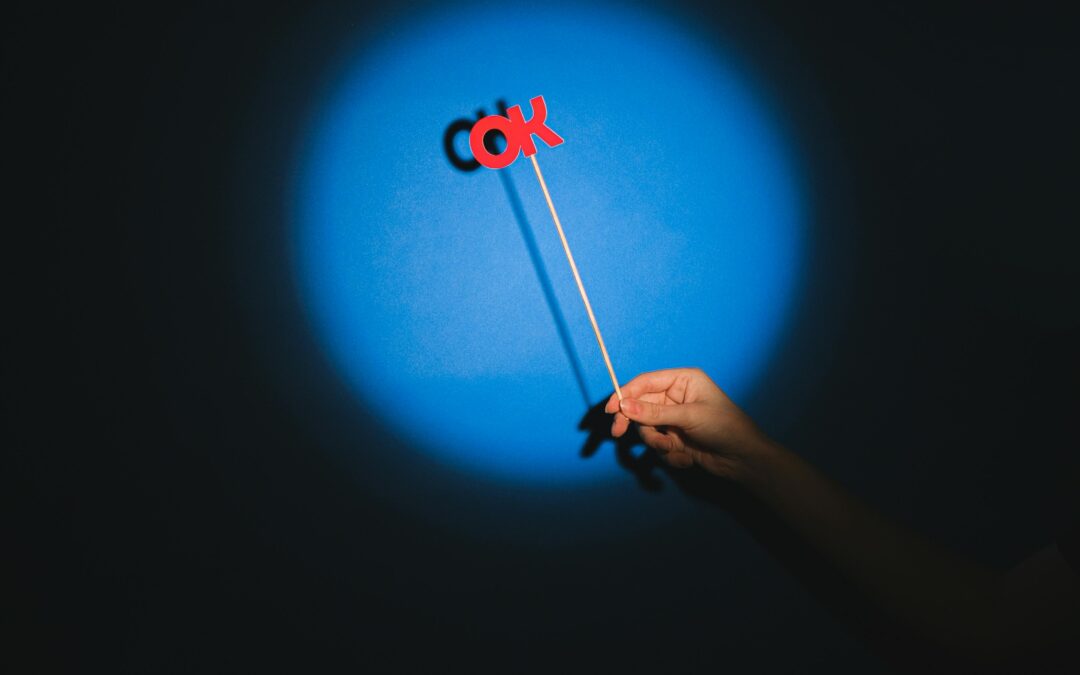
It can be said with a check mark or a thumbs up. It’s written with two letters or four. What began as a joke nearly 200 years ago, OK has become the most recognized word in the world.

Okay, let’s start with the humble beginnings in the 1830’s when young Boston intellectual types delighted those in the know with butchered coded messages such as KC for “Knuff Ced,” KY meant “Know Yuse” and OW was short for “Oll Wright.” What stuck through the years is OK for “Oll Korrect.” Try getting past spell check with this paragraph!

The word OK could have disappeared into oblivion if it weren’t for the 1840 presidential election when Martin Van Buren was given the nickname of “Old Kinderhook” because of his hometown of Kinderhook, NY. Guess it’s okay to say that OK was the predecessor of today’s LOL and other popular abbreviations since it’s short for everything’s all right, fine, hunky-dory and satisfactory. Linguists say it has become essential to our communication.

As for which version of OK or okay is correct, multiple sources confirm they both get a thumbs up. Although some suggest that more formal writing calls for using okay, it really is OK to use either spelling. Glad we got this sorted out, as in KC or “Knuff Ced.”

 VIDEO: WHY WE SAY OK

Originally published by Pazanga Health Communications 


It took a village

It took a village

The project cost nearly $500 million in federal funding. It spanned over 10 years and across three continents. More than 250 researchers contributed to the results.

The results of what? The dazzling details of a brain atlas—a 3-D map of the brain and its 170 billion brain cells that fall into 3,000 categories. Considered the most complex organ, this was no easy feat since each area of the brain is equal to another very complex organ. No wonder the results required 21 published papers across multiple journals.

What do the findings tell us? That while the human brain cells are similar to other primate brains, it’s how those cell types are combined that differentiates the cognitive abilities. According to John Ngai, director of the brain initiative, the reason neurological and neuropsychiatric disorders are challenging is because they don’t know what portion of the brain isn’t optimally functioning. With more research, he believes they can determine how the brain becomes susceptible to complex disorders such as autism and schizophrenia since “the cool thing here is this (brain atlas) gives us a way in.”

Articles about this research couldn’t begin to cover the project’s depth, magnitude or future potential but perhaps this neuroscientist’s comment puts it into perspective: “This is like building a map of the universe.”

For more info:

ARTICLE NPR BRAIN ATLAS REPORT

Originally published by Pazanga Healthcare Communications